
Another Politician, Giorgi Vashadze, Sentenced to Seven Months in Jail
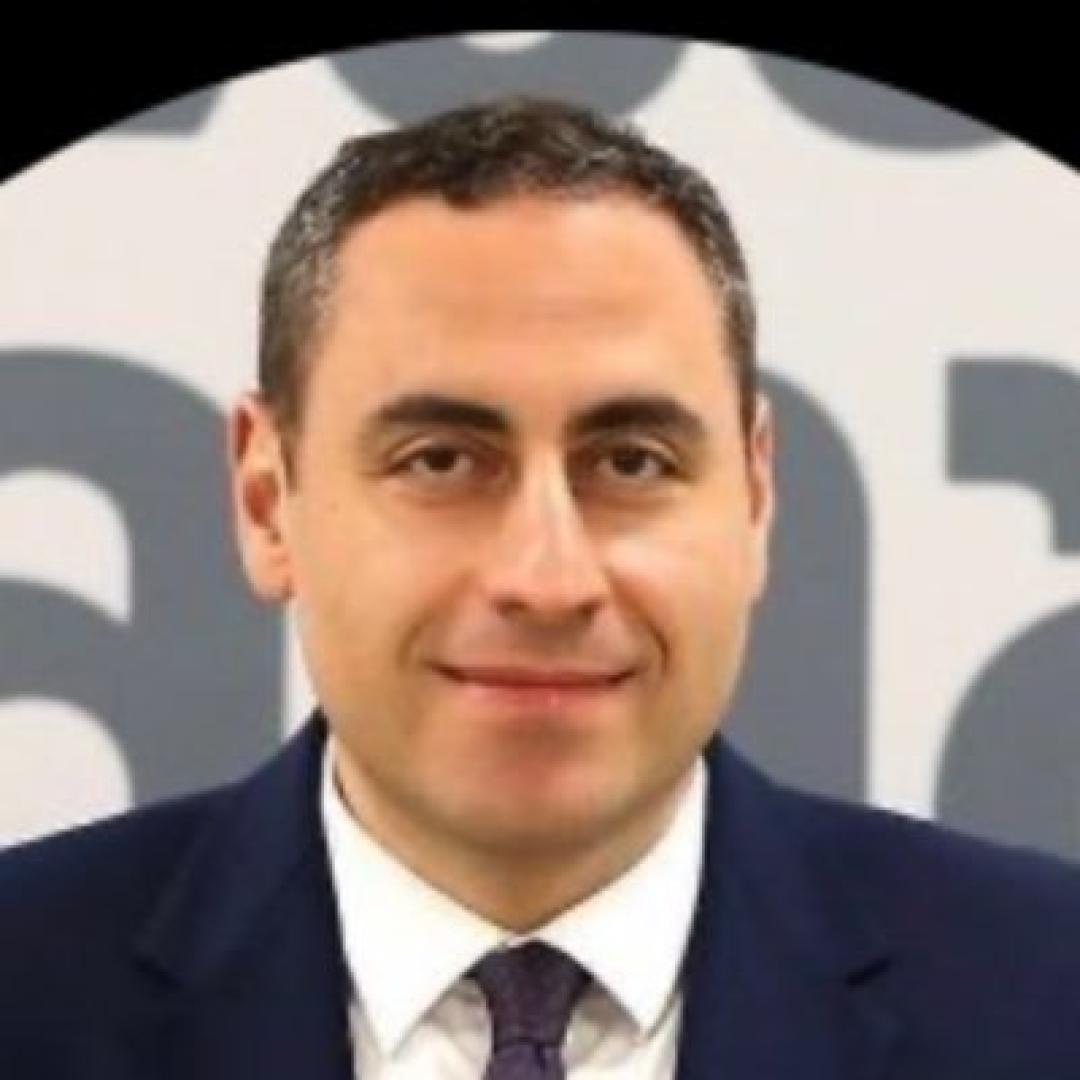
In a deepening political standoff in Georgia, the Tbilisi City Court sentenced Giorgi Vashadze, leader of the opposition Strategy Aghmashenebeli party, to seven months in prison. The ruling, issued by Judge Nino Galustashvili on June 24, stems from Vashadze’s refusal to appear before a parliamentary commission formed by the ruling Georgian Dream party.
Vashadze is now among several opposition figures imprisoned for similar defiance. Just a day earlier, fellow leaders Zurab Japaridze (Girchi – More Freedom), Mamuka Khazaradze, and Badri Japaridze (both of Lelo) received identical sentences. All four have also been barred from holding public office for two years.
A former deputy justice minister in 2012 and a United National Movement (UNM) MP until 2016, Vashadze later founded Strategy Aghmashenebeli and aligned with UNM in a coalition during the contentious 2024 parliamentary elections. He was arrested inside his party’s office, where other opposition leaders and former President Salome Zourabichvili had gathered in protest.
None of the convicted opposition leaders attended court to hear their verdicts. They have rejected the authority of the commission that issued the subpoenas, calling it politically biased and illegitimate—an extension of a parliament elected under questionable circumstances in October 2024. The Georgian Dream-dominated legislature has faced international criticism since that election, widely regarded as flawed by opposition groups and some observers.
Four more individuals who ignored the commission’s summons are awaiting judgment. While the law permits either a prison sentence or a fine, courts have so far imposed only custodial penalties. Two other opposition leaders, Nika Melia and Nika Gvaramia of the Ahali party, remain in pretrial detention for refusing to pay court-imposed bail, as did Zurab Japaridze. Former defense minister Irakli Okruashvili is also behind bars, having declined bail. Meanwhile, Givi Targamadze of UNM has been released on bail.
Under Georgian law, noncompliance with parliamentary investigative commissions is punishable by up to one year in prison or a monetary fine and may result in a ban from holding public office for up to three years. However, authorities have consistently opted for jail time in every ruling.
Prime Minister Irakli Kobakhidze clarified the government’s stance after the first sentence was issued. “They do not recognize this parliament—they will go to jail,” he told reporters, notably omitting any mention of alternative penalties like fines.
The escalating repression has drawn sharp criticism from the international community. European Parliament member Rasa Juknevičienė posted on X: “Does anyone in the EU still doubt that Georgian Dream has chosen the path of dictatorship?” She urged EU institutions to impose targeted sanctions against what she called a “regime.”
The parliamentary commission at the center of the controversy is headed by Tea Tsulukiani, a prominent Georgian Dream figure who previously served as Minister of Justice and Minister of Culture. The commission is investigating alleged abuses committed under the former UNM-led government, ranging from torture and corruption to responsibility for the 2008 war with Russia.
Since its inception, the commission has summoned numerous opposition politicians, many of whom have declined to participate, citing the one-party nature of the current parliament and what they perceive as a lack of judicial independence.
Notably, the only major opposition figure to comply with the summons was Giorgi Gakharia, a former interior minister and prime minister under Georgian Dream who now leads the opposition For Georgia party. Gakharia maintained that his decision to appear before the commission did not signal recognition of the current parliament’s legitimacy, which his party continues to boycott.
Recently, Gakharia was called to testify again, this time regarding the controversial Chorchana incident, which the Prosecutor’s Office is examining under “sabotage” allegations. Although Gakharia proposed testifying remotely due to a foreign visit, the commission rejected the request and scheduled a new in-person hearing for July 2. His party has indicated that he will still be abroad on that date.
Meanwhile, other detained leaders like Gvaramia and Khazaradze have also been resummoned. Both have refused to engage, stating they will continue to boycott the commission, even from prison. Commission chair Tsulukiani has warned that renewed refusals may lead to further legal action: “If Gvaramia or Khazaradze do not join the commission remotely from their cells, we will likely have to submit another case for prosecution,” she stated in an interview with Rustavi 2.
The commission’s mandate extends beyond individual prosecutions. Georgian Dream has announced plans to present its final report to the Constitutional Court to ban the United National Movement and affiliated parties from participating in future elections. If successful, this could effectively dismantle the main opposition bloc ahead of upcoming political cycles.
The ruling party aims to complete this process before the end of 2025—a move widely interpreted by opposition leaders and international critics as a dramatic escalation in efforts to suppress dissent.
The situation has deepened political polarization in Georgia and raised serious concerns about democratic backsliding. Civil society groups and foreign observers warn that using the judiciary to target opposition figures undermines the rule of law and risks isolating Georgia internationally at a time when its EU candidacy is under review.
With the commission pressing forward and more rulings expected in the coming weeks, the political atmosphere in Tbilisi remains tense. Whether the courts will continue to issue prison sentences or begin applying alternative fine-based penalties permitted by law may signal the direction of Georgia’s democratic trajectory in the near term.
News,
Politics,
Georgia |
Georgian Dream, Nika Melia, Nika Gvaramia, United National Movement, Badri Japaridze, Mamuka Khazaradze, Lelo, Zurab Japaridze, Giorgi Vashadze, Tea Tsulukiani, Strategy Agmashenebeli