
Armenia-EU Partnership Council Meeting in Yerevan: Regional Peace, Sanctions Against Russia, Visa Liberalization, And TRIPP Project
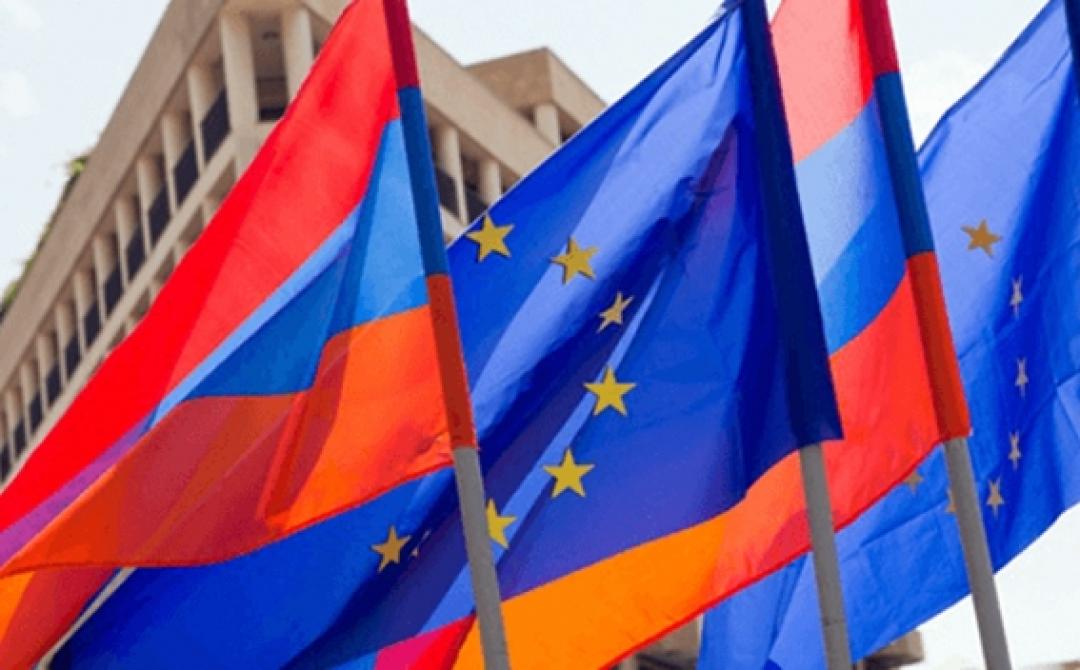
During the briefing following the 6th meeting of the Armenia-EU Partnership Council on December 2, Kaja Kallas, the High Representative of the EU for Foreign Affairs and Security Policy, stated that EU-Armenia cooperation is improving. Kallas emphasized that a new strategic partnership agenda between Armenia and the EU had been adopted. "We will also work in many other areas to support Armenia's economic diversification. We will cooperate on visa liberalization and security," she noted.
She added that on December 27, EU foreign ministers would meet, inviting the Armenian Foreign Minister to discuss Armenia's resilience and election-related issues. Kallas described 2025 as a very important year for both EU-Armenia relations and Armenia itself. Highlighting the significance of regional stability, Kallas emphasized the agreements reached in Washington in August between Armenia and Azerbaijan, calling them vital for ending the ongoing conflict. She added, "The European Union will do everything possible to support the parties in this matter".
Armenia is set to receive €15 million for peacebuilding and strengthening resilience, including demining training, equipment provision, and other initiatives. Kallas further addressed information security concerns, noting that "Russia and its proxies are conducting information campaigns in Armenia ahead of the elections. We see that the same networks that were used in Moldova are being used. The scenario is the same". She stressed that EU funding would help counter foreign interference and that active civil society and independent media are crucial in this effort.
Regarding strategic ties, Kallas pointed out the changing world order. She stated, "Armenia’s compliance rate is currently 37%". She added, "We are imposing sanctions against Russia, but we also engage our partners to end the war between Russia and Ukraine. Supporting trade diversification ensures partners are not completely dependent on Russia".
Marta Kos, the EU Commissioner for Enlargement, reiterated the EU’s commitment to facilitating normalization of regional relations. "We are also working with Azerbaijan and Turkey in this regard. Connectivity in the South Caucasus can advance only through peace between Yerevan and Baku," Kos stated. She underlined the importance of initiatives like TRIPP and connecting East and West to support regional development. Kallas also highlighted the broader regional context, noting, "Normalizing relations between Armenia, Azerbaijan, and Turkey is crucial for connectivity and the well-being of the peoples of these countries. Small details, such as opening border crossings and energy infrastructure, have significant implications".
Addressing the upcoming 2026 elections, Kos stressed their importance for regional stability and reform implementation. She announced €5 million in funding to support media independence and combat disinformation in the electoral period. Kos added that the European Commissioner for Migration and Security would visit Armenia in March 2026 for key summits. Kallas noted that the EU-Armenia relationship remains strong, with joint work on visa liberalization, refugee support, socio-economic development, and transport, digital, and energy linkages. Kos added that Armenia plays a central role in regional trade connectivity and emphasized that the Washington agreement fosters peace and closer cooperation, particularly in energy and digital sectors. Discussions are underway for a quadripartite format involving Armenia, Azerbaijan, Turkey, and the EU to improve communications in the region.
Ararat Mirzoyan, the Armenian Foreign Minister, stated that security cooperation with the EU has expanded and recalled that Armenia received the first tranche of assistance under the European Instrument for Peace. "Security is an important area of our cooperation with the EU. We are confident this will strengthen Armenia's resilience, including against new hybrid threats," he emphasized. Mirzoyan also highlighted progress on visa liberalization, saying, "We see progress in this area through the implementation of the action plan, which will ultimately lead to the vision of a visa-free regime".
He described the partnership with the EU as entering a new stage, noting that the Armenian National Assembly had adopted a law on EU membership in March and that cooperation with the bloc would further enhance Armenia’s resilience. On the Washington agreements of August 8, Mirzoyan stated that they created unprecedented opportunities. He reported discussions with European colleagues on the TRIPP project and additional measures, such as opening the Armenia-Turkey border and implementing major infrastructure programs, which could transform the political and economic architecture of the region. He announced that the first Armenia-EU summit would take place in May 2026, inviting European officials to Yerevan.
Remarks by Marta Kos
During her meeting with journalists, Marta Kos stated that the law adopted by the Armenian Parliament to launch the EU accession process was considered encouraging by the European Union. Kos emphasized that the decision reflected the will of the Armenian people. Responding to a question regarding the EU’s assessment of the newly adopted law and whether any signals had emerged from discussions with Armenian officials about Armenia preparing to apply for EU candidate status, she noted that the process could only begin once Armenia officially submitted its application and EU member states granted their approval. Kos added that, "We’ll see what happens," and stressed that even if Armenia did not apply at this stage, the steps being taken could still contribute to shaping the future of Europe, remarking that "when I talk about the future of Europe, it’s not just about membership".
The EU High Commissioner stated that the European Union intended to support Armenia in countering potential hybrid threats ahead of its parliamentary elections scheduled for summer 2026 and in strengthening national cybersecurity structures. Kos referred to the example of Moldova, where, according to EU assessments, Russia had attempted to interfere in parliamentary elections through widespread disinformation and cyberattacks. She stated that the EU was prepared to allocate €12 million to help Armenia effectively confront similar hybrid attacks that might emerge during the pre-election period. Kos explained that this assistance would enhance the capabilities of Armenian institutions responsible for identifying, predicting, and responding to hybrid threats.
Kos added that the €12 million package would not be directed solely to the Armenian government but could also be utilized by civil society organizations and the media, whose involvement she described as essential for countering hybrid threats. She underlined the active participation of the Armenian government in this process, stressing that meaningful progress would be impossible without strong institutional engagement and preparedness. Kos also noted that the EU was holding negotiations with the United States, Azerbaijan, and Turkey on their potential involvement in the TRIPP project. She stated that "the EU has its own proposals, and the bloc continues consultations with Turkey and Azerbaijan," adding that US participation was particularly important because the project covered only one segment of the railway.