
Levon Ter-Petrosyan Criticizes Pashinyan’s Planned Rally As "Dangerous Provocation"
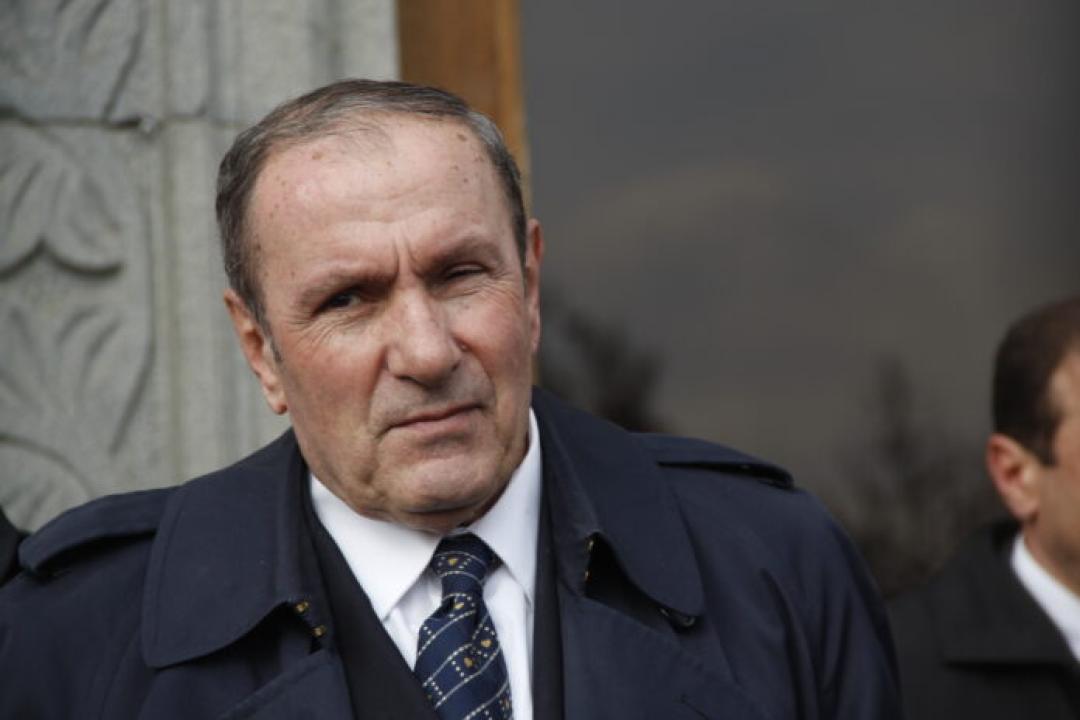
On July 22, Levon Ter-Petrosyan, the First President of Armenia, criticized Armenian Prime Minister Nikol Pashinyan’s plan to hold a large rally in Vagharshapat Square, near the Mother See of Holy Etchmiadzin. He called the plan a dangerous provocation against the Armenian Apostolic Church.
In his statement, Ter-Petrosyan warned that Pashinyan’s actions appeared aimed at "suppressing the Church with a crowd" and compared the move to an authoritarian show of force. He argued that the number of Church followers significantly exceeds that of Pashinyan’s supporters and accused the prime minister of trying to undermine domestic stability and provoke chaos. According to him, the government’s actions contradict its primary responsibility to maintain internal stability and national security. Ter-Petrosyan emphasized that internal political calm is essential for Armenia’s ability to withstand external threats and conduct constructive negotiations. He urged all sides to cease mutual insults and threats and to work toward consensus on contentious issues in the national interest.
He further criticized Pashinyan for being the one to escalate tensions, rather than the opposition, which he said is the usual source of political upheaval. To de-escalate the situation, Ter-Petrosyan proposed cancelling the rally in Vagharshapat. He also proposed the release of political prisoners, including Archbishops Bagrat and Mikael and political figure Samvel Karapetyan. He argued that such measures would ease domestic tensions and strengthen Armenia’s foreign policy posture. Ter-Petrosyan concluded by stating that such a move would enhance, not harm, Pashinyan’s reputation and would demonstrate a statesmanship that would be appreciated by all Armenians.
News,
Politics,
Armenia |
Nikol Pashinyan, Armenian Apostolic Church, Levon Ter-Petrosyan, Samvel Karapetyan