
Moscow-Baku Crisis Escalates Further: New Detentions, Plane Crash Accusations, and an Exchange of Protest Notes
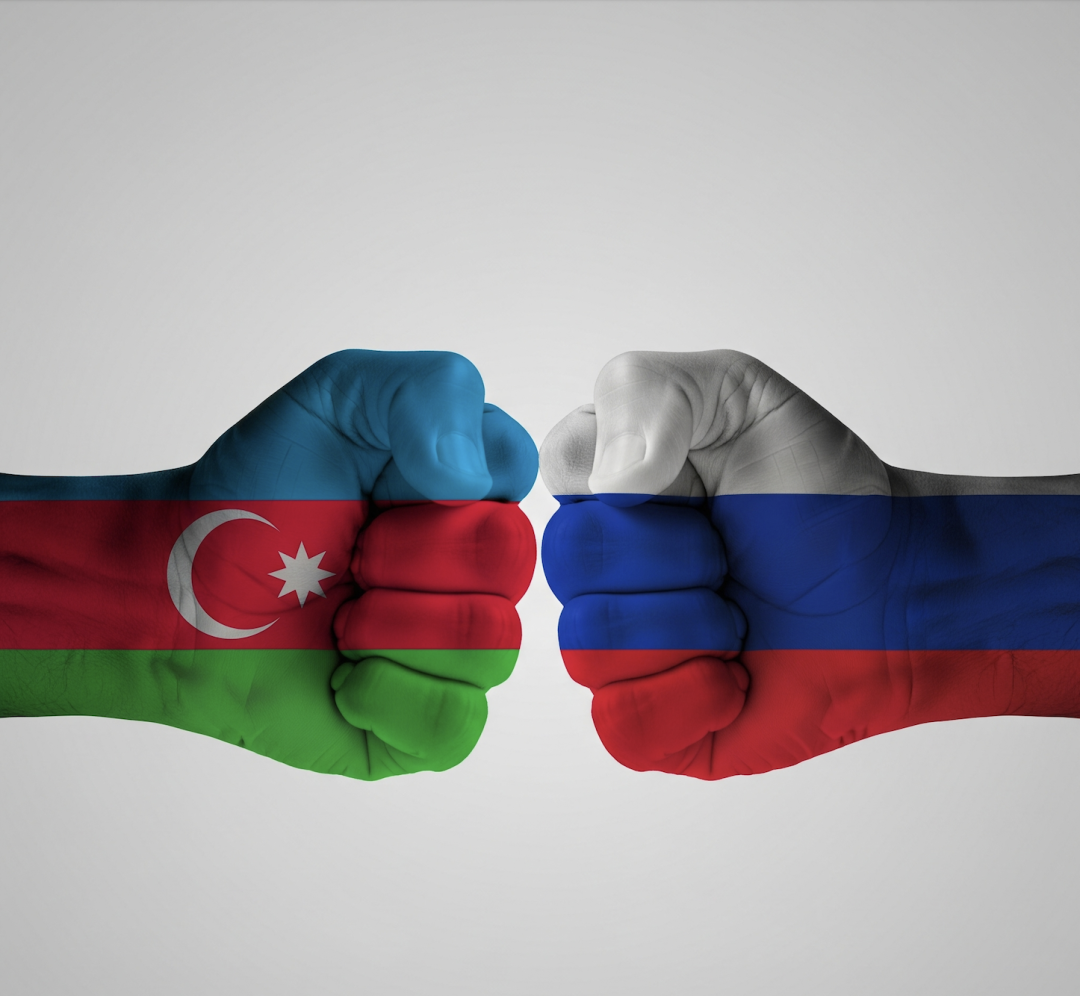
Tensions between Russia and Azerbaijan have intensified in recent days, fueled by the deaths of Azerbaijani citizens in Yekaterinburg, disputed investigations, diplomatic protests, and the detention of journalists. Simultaneously, Azerbaijani media have revealed new allegations concerning the downing of an AZAL passenger plane near Grozny.
Developments and Remarks from Russia
Sergey Mironov, Chairman of the Fair Russia – For Truth party, stated that Baku’s “inadequate reaction” to the actions of Russian law enforcement in Yekaterinburg demonstrated Azerbaijan’s “lack of true independence and its alignment with external interests.” During his remarks, Mironov questioned, "Who benefits from the Russophobic hysteria that is currently being whipped up in Baku?" He asserted that Azerbaijan would suffer from deteriorating ties with Moscow, claiming the situation served "Russia’s enemies" and mafia groups that exploit ethnic gangs in Russian regions. He emphasized that official Baku’s stance confirmed that "national diasporas are not only organized criminal communities but also instruments of interference in Russia's internal affairs."
Dmitry Peskov, the Russian Presidential Press Secretary, announced that Moscow sought to secure the release of Sputnik Azerbaijan staff detained in Baku "through direct contacts with the Azerbaijani side," expressing hope for a swift resolution.
At the opening of the Gorchakov Fund's "Caucasian Dialogue" program, Dmitry Masyuk, Deputy Director of the Fourth Department of CIS Countries at the Russian Foreign Ministry, claimed that Western states were attempting to exclude Russia from the Armenian-Azerbaijani normalization process by forcing a rushed peace agreement. Masyuk stressed that a balanced resolution could only be achieved through the bilateral accords of 2020 and 2022. He reaffirmed Russia’s offer to host the peace treaty signing, describing it as a "significant step toward regional stability."
On July 1, Mikhail Galuzin, Deputy Foreign Minister of Russia, delivered a verbal note of protest to Rahman Mustafayev, the Azerbaijani Ambassador to Russia, criticizing Baku’s recent "unfriendly actions" and demanding the release of Sputnik Azerbaijan journalists detained in Baku. The Russian side defended the Yekaterinburg detentions as lawful operations conducted under Russian legislation as part of an investigation into serious past crimes.
Meanwhile, Shahin Shikhlinskiy, head of the Azerbaijani diaspora in Russia’s Ural region, and his son were detained in the city center of Yekaterinburg. Shikhlinskiy was later released following interrogation.
On July 2, Maria Zakharova, Spokeswoman for the Russian Foreign Ministry, stated that friendly relations between Russia and Azerbaijan are of vital importance for both nations. In response to recent tensions surrounding arrests, media restrictions, and diplomatic disputes, she warned that those attempting to damage these ties should "carefully reconsider their actions." Zakharova emphasized that Russia and Azerbaijan had built relations based on mutual respect, shared history, cultural exchange, and extensive agreements, adding that it was natural for both sides to react sharply to provocations. She remarked, "We have been building such relations with Azerbaijan for many years… we are connected by so many things," and cautioned that certain groups were trying "to simply make money on this," urging them not to get burned by undermining these strategic ties.
Zakharova confirmed that Russian law enforcement agencies had promptly intervened following the detentions in Yekaterinburg, describing this as an "extremely important circumstance" to be acknowledged. She also addressed the situation surrounding Sputnik Azerbaijan, noting that Baku had never previously lodged complaints against the media outlet or its journalists. She asserted that the current measures against Sputnik were being driven by unrelated political considerations. "Most of the people working on its platform were citizens of Azerbaijan… there were no complaints either in form or content," she stated.
At a press briefing, Zakharova revealed that Moscow and Baku were addressing problematic issues through direct discussions between Alexander Bastrykin, head of Russia’s Investigative Committee, and Kamran Aliyev, Prosecutor General of Azerbaijan. Additionally, Zakharova stated that Moscow had requested consular access to Russian journalists arrested in Azerbaijan, but this request had not yet been granted, despite continuous communication with the Russian embassy in Baku. Zakharova also advised Russian citizens to "carefully consider the current situation" before traveling to Azerbaijan, especially in light of reports broadcast by Azerbaijani state television and media outlets. She confirmed that the Russian embassy in Baku had already received 11 inquiries from relatives of Russian citizens detained in Azerbaijan and would continue providing them with information and assistance. Responding to Azerbaijani state television AZTV’s material accusing Russia of imperialism and chauvinism, Zakharova called the claims a "vile lie," declaring that Russia had never adopted a policy of discriminating against people by grades or categories.
On the same day, Dmitry Peskov emphasized that the North-South transport corridor served the mutual interests of Russia and Azerbaijan and expressed hope that any arising concerns would be addressed through open dialogue. Peskov confirmed that Alexander Bastrykin remained in contact with Kamran Aliyev and that both sides were discussing the problematic issues surrounding the Yekaterinburg events and developments in Baku.
Meanwhile, Andrei Klishas, head of the State Duma Committee on State Building, posted on Telegram that "at the moment, Azerbaijan is not a safe country for Russian citizens." He contrasted this with Russia's treatment of Azerbaijani citizens and its handling of organized criminal elements within its borders.
In a separate reaction, Denis Maidanov, First Deputy Chairman of the State Duma Committee on Culture, stated that Russia would not pursue retaliatory cultural restrictions against Azerbaijani artists such as Emin Agalarov. Maidanov emphasized that Russia has always remained a welcoming place for figures in culture, sports, and the arts, and suggested that artists might even serve as informal bridges between Moscow and Baku during difficult periods. He noted that no blame was directed at the Agalarov family after the Crocus City Hall terrorist attack and stressed that no such targeting should occur now either.
On July 3, Maria Zakharova stated that Russia expected consular access to be granted to its citizens detained and arrested in Azerbaijan. During her remarks, Zakharova confirmed that consular officials had not initially been granted access but expressed confidence that it would be provided in accordance with bilateral agreements and international law, including the Vienna Convention. She emphasized that cooperation with Azerbaijani authorities was underway through diplomatic channels, adding, "Consular access, access for our diplomats, must definitely be ensured." Later the same day, Zakharova announced that consular officials had been granted access to 13 detained Russian citizens. The Russian Embassy in Baku later confirmed that its consul met for three hours with the detained Russian citizens, reiterating that consular access had been officially granted.
Konstantin Zatulin, First Deputy Chairman of the State Duma Committee on CIS Affairs, Eurasian Integration, and Relations with Compatriots, characterized the arrests of Russian journalists Igor Kartavykh, Evgeny Belousov, and other Russian citizens as a deliberate attempt by Baku to assert itself at Russia’s expense. Zatulin stated, "The detention of Russian journalists in Azerbaijan is revenge," and argued that these actions symbolized a desire by Azerbaijan to distance itself from Russia after its victory in Karabakh. He further claimed that Azerbaijan never genuinely maintained a strategic partnership with Russia, instead aligning with Turkey and, when useful, engaging with Western states. According to Zatulin, Baku exploited Moscow’s current entanglement in its conflict with the West as an opportunity to demonstrate its independence from Russia to international actors.
Dmitry Kiselyov, CEO of Russia Today, criticized the detention of Sputnik Azerbaijan’s leadership and staff in Baku, declaring that conditions no longer existed for the agency to continue operating in the country. Kiselyov stated that the detentions were unfounded and accused Azerbaijani authorities of bringing trumped-up charges against their journalists. He emphasized that the media outlet would use all available legal avenues to defend its employees.
The Russian Ministry of Culture denied circulating recommendations to restrict Azerbaijani citizens’ participation in cultural events within Russia. In a statement via its Telegram channel, the ministry dismissed as false the purported document attributed to Minister Olga Lyubimova, asserting it had no legal basis.
Developments and Reactions from Azerbaijan
Meanwhile, Professor Adalat Hasanov, Director General of the Association of Forensic Medical Expertise and Pathological Anatomy at Azerbaijan’s Ministry of Health, revealed during a press conference that forensic examinations of two Azerbaijani brothers killed in Yekaterinburg uncovered evidence of severe blunt force trauma, multiple rib fractures, and extensive internal hemorrhaging. Hasanov contradicted the Russian claim of heart failure, describing fatal injuries consistent with torture.
The Azerbaijani Prosecutor General's Office announced it had launched a criminal case into the "premeditated murder with particular cruelty and torture" of Azerbaijani citizens by Russian law enforcement agencies in Yekaterinburg. Investigators confirmed that on June 27, Russian security forces detained Azerbaijani nationals suspected of past crimes. During the detentions, the men were beaten with blunt objects, resulting in the deaths of Huseyn Safarov and his brother Ziyaddin Safarov from traumatic and post-hemorrhagic shock.
Anar Bagirov, Chairman of the Azerbaijan Bar Association, announced that the association would appeal to international human rights organizations regarding the violence against Azerbaijanis in Russia. Bagirov condemned the treatment of Shahin Shikhlinskiy and his son, noting that both were respected lawyers and community figures in Russia who had defended recently detained Azerbaijanis. He emphasized that their only "guilt" was their professional advocacy and denounced their public humiliation and assault by Russian authorities, which he described as illegal and directed at suppressing legal defenders for carrying out their duties.
Separately, the Azerbaijani Interior Ministry detained two organized crime groups in Baku allegedly involved in drug trafficking from Iran and cybercrime. Among those detained were several Russian nationals. In Baku, a court session was held for eight Russian citizens accused of transiting narcotics from Iran, distributing them online, and engaging in cybercrimes. The Sabail District Court ruled to impose a four-month preventive detention on all eight suspects, who were brought to the courtroom individually.
Responding to Mikhail Shvydkoy, the Russian Presidential Special Representative for International Cultural Cooperation, Aykhan Hajizada, Spokesperson for Azerbaijan’s Foreign Ministry, rejected accusations regarding the cancellation of Russian cultural events in Azerbaijan. He called Shvydkoy’s comments "biased" and emphasized that Russian law enforcement’s extrajudicial killings and ethnic targeting of Azerbaijanis had justifiably provoked public outrage.
In a further statement, Hajizada confirmed that Azerbaijan’s Embassy in Moscow submitted a note verbale to Russia’s Foreign Ministry on July 1, protesting the murders and torture of Azerbaijani citizens in Yekaterinburg and condemning the ethnic intolerance displayed during the raids and in media coverage. Azerbaijan demanded a thorough investigation and prosecution of the perpetrators while defending the legality of its actions against Sputnik Azerbaijan, noting that the agency had been ordered to suspend operations in February due to a lack of legal accreditation.
On July 2, Samira Najafzada, Deputy Head of the Department of International Legal Cooperation of the Azerbaijani Prosecutor General’s Office, emphasized that the torture of Azerbaijanis in Russia constituted a breach of international law, noting that while Azerbaijan remained a party to the European Convention on Human Rights, Russia had withdrawn from it. Nemat Avazov, Head of the Investigative Department of the Azerbaijani Prosecutor General’s Office, added that Moscow had sent no legal assistance requests to Baku concerning the criminal cases cited as justification for the detentions, which he noted were three incidents dating back to 2001. Avazov declared that Azerbaijan would use all available legal mechanisms to pursue justice for the citizens killed in Yekaterinburg, stressing that safeguarding the rights of its citizens is a constitutional priority. He confirmed that official appeals had been sent to Russia requesting investigative actions, forensic examinations, and inspections, expressing hope for a faster and more transparent inquiry from the Russian authorities.
On July 2, the Azerbaijani Foreign Ministry summoned Russian Ambassador Mikhail Yevdokimov. During the meeting, Deputy Foreign Minister Araz Azimov conveyed strong protests against what he termed "unfriendly actions" that were damaging bilateral relations. Azimov expressed deep concern over the death of two Azerbaijanis and injuries to others during Russian law enforcement raids on Azerbaijani homes in Yekaterinburg on June 27. He argued that Russia’s official explanation contradicted forensic reports and cited evidence of ethnic intolerance in the Russian media’s characterization of Azerbaijanis as an "ethnic criminal group."
The Azerbaijani side also rejected Russia’s objections over actions taken against Sputnik Azerbaijan, asserting that all measures were lawful and that investigations were ongoing. The ministry criticized Russia’s failure to resolve incidents such as the downing of an Azerbaijan Airlines aircraft in Russian airspace last year and condemned a disinformation campaign allegedly orchestrated by Russian officials and media outlets. It reiterated calls for a comprehensive investigation into both the air disaster and the Yekaterinburg incidents and demanded the prosecution of those responsible, emphasizing the importance of these steps for restoring trust in bilateral ties. Additionally, the ministry denounced hostile statements by Russian socio-political figures and media targeting Azerbaijan’s sovereignty and national interests over recent months, warning that such rhetoric aggravated tensions and contradicted the spirit of partnership. The Azerbaijani side urged Russia to take steps to de-escalate the situation and repair relations.
Responding to allegations from the Russian Foreign Ministry and embassy on the same day, Aykhan Hajizada dismissed claims that Azerbaijani law enforcement had used physical force against Russian citizens or denied them consular access. Hajizada stated that Azerbaijan had promptly relayed all Russian consular requests received on June 30 and July 1 to the relevant authorities and had provided the necessary information per Article 39 of the Consular Convention between the two countries. He noted that while Russia had delayed responding to Azerbaijani consular appeals for its citizens detained in Russian prisons, Baku had never politicized such delays and called on Moscow to refrain from statements that could artificially escalate tensions.
Meanwhile, the Azerbaijani Milli Majlis’ Commission against Foreign Interventions and Hybrid Threats issued a statement accusing Russian media and Telegram channels of launching a disinformation campaign against Azerbaijan and Azerbaijanis in Russia following the June 27 Yekaterinburg raids. During its review, the commission reported widespread anti-Azerbaijani propaganda and calls for unfriendly measures against Azerbaijan, reaffirming that the Milli Majlis and relevant state bodies were coordinating efforts to counter these narratives. Citizens were urged to rely solely on information from Azerbaijani state authorities.
Responses from Azerbaijani MPs
Zahid Oruj, an Azerbaijani MP, declared that the brutal operations in Yekaterinburg appeared to bear "the Kremlin’s signature" rather than that of a local authority, describing them as mass punitive acts based on ethnic, national, and religious grounds. He asserted that Azerbaijan’s government, judiciary, and media were unified in opposing such despotism, warning that these developments indicated serious future tests for Russian-Azerbaijani relations. Oruj criticized Russia’s actions against diaspora leaders, entrepreneurs, and influential Azerbaijanis, linking them to broader attempts by reactionary forces within the Russian elite to reassert dominance in the Caucasus. He cautioned that Azerbaijan would not yield to coercive tactics and urged the Kremlin to publicly clarify its stance before the situation deteriorated further.
Fazil Mustafa, Chairman of the Milli Majlis Committee for Public Associations and Religious Institutions, described Russia as "increasingly hostile to all" and condemned the violent attacks on Azerbaijani citizens in Yekaterinburg, including assaults on diaspora leaders and businessmen. He advised Azerbaijanis in Russia to exercise caution and called on Baku to convey its objections firmly, warning that the current trajectory posed grave dangers.
Azerbaijani MP Hikmat Babaoglu characterized the operations against Azerbaijanis as manifestations of aggressive Russian chauvinism. He asserted that Russia’s intolerance toward Azerbaijan stemmed from an inability to accept the new regional realities established by Baku. Babaoglu described these acts as attempts to impose imperialist pressure and warned that continued ethnic violence could destabilize Russia itself, given its own multinational composition.
Reactions from Ukraine, the UN, the UK, and Saakashvili
On July 1, Ukrainian President Volodymyr Zelenskyy held a phone call with President Ilham Aliyev of the Republic of Azerbaijan to express condolences over the killing of Azerbaijanis in Yekaterinburg and to discuss bilateral cooperation, including an upcoming meeting of the Intergovernmental Commission in Baku. During the conversation, Zelenskyy conveyed the condolences of the Ukrainian people regarding the deaths of Azerbaijani citizens during the raids in Yekaterinburg, and President Aliyev expressed his gratitude. Zelenskyy also thanked the Azerbaijani leader for his country’s assistance in evacuating Ukrainian citizens from Iran. Both leaders reaffirmed their mutual support for the territorial integrity and sovereignty of Azerbaijan and Ukraine and agreed to advance bilateral ties by convening the Intergovernmental Commission in Baku in the near future. Additionally, Zelenskyy expressed appreciation for Azerbaijan’s humanitarian aid to Ukraine.
Moreover, according to Stéphane Dujarric, Spokesperson for the UN Secretary-General, the UN is fully aware of the tensions between Azerbaijan and Russia and is closely monitoring the incidents in both countries. Dujarric expressed hope that these issues would be resolved through diplomatic channels but did not provide further details or confirm if the UN had officially appealed to Russia regarding the situation.
Fergus Auld, the British Ambassador to Azerbaijan, expressed condolences regarding the events in Yekaterinburg, posting on social media that the UK was "deeply concerned" and expressing solidarity with the Azerbaijani people while supporting Baku’s efforts to ensure justice.
On July 1, Mikheil Saakashvili, the former imprisoned President of Georgia, stated, "Armenia and Azerbaijan actively oppose Russia, while Ivanishvili runs to Russia and drags Georgia. We are Caucasians, not Russians; we have to stand where the Caucasus stands."
AZAL Plane Crash Reports
Separately, Azerbaijani state-supervised media reported on a leaked document concerning the downing of an AZAL Embraer E190 aircraft near Grozny on December 25, 2024. The leak alleges that the Russian Ministry of Defense ordered the shootdown. According to the report, Defense Ministry Captain Dmitry Paladichuk provided an explanation supported by video, audio recordings, and evidence detailing the technical malfunctions that occurred. The captain reportedly confirmed that although dense fog hindered visual confirmation, two missiles were fired on command, with unguided shrapnel damaging the aircraft. These materials are considered significant for the ongoing official investigation in Azerbaijan.
Further Developments
Meanwhile, five Sputnik Azerbaijan employees holding Azerbaijani citizenship were released on bail. At the same time, relatives of other detained Russiansvoiced frustration over the lack of information and communication from Azerbaijani authorities.
On the same day, several Azerbaijani news websites, including Report.az, Oxu.az, and Caliber.az, experienced access disruptions in Moscow, St. Petersburg, Volgograd, Chelyabinsk, and other Russian cities. Report.az stated that no formal notification had been received from the Federal Service for Supervision of Communications, Information Technology and Mass Media (Roskomnadzor) regarding these restrictions, although access to www.report.az was blocked without prior notice.