
Pashinyan Announces Nationalization of Electric Networks of Armenia, Warns of Hybrid Threats
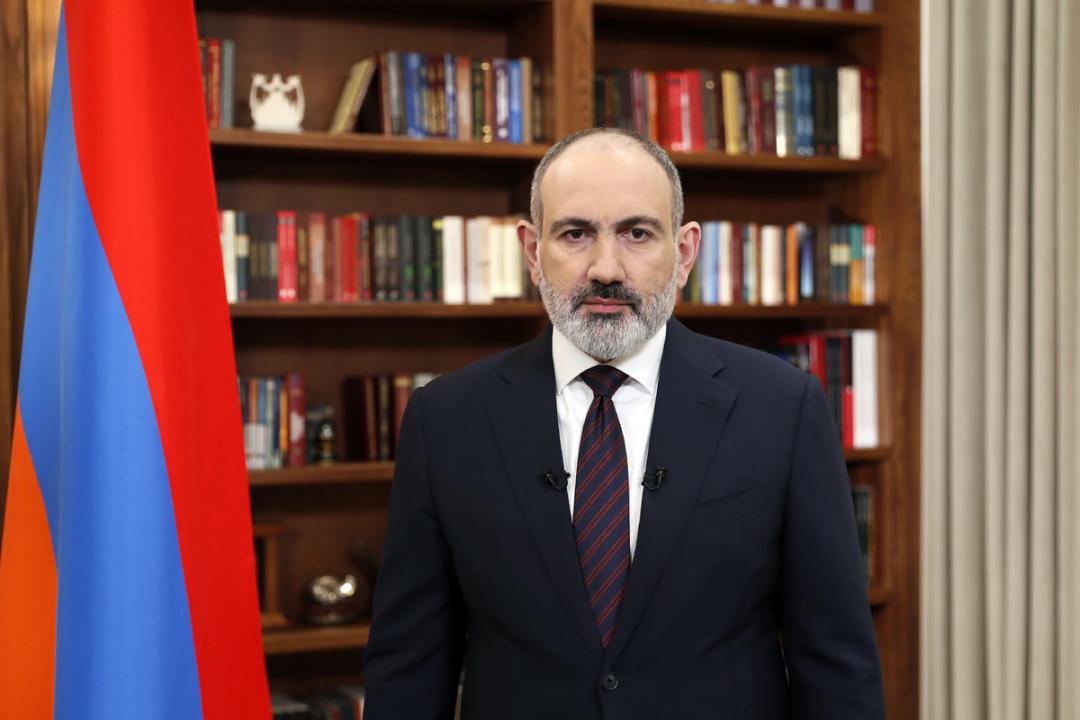
Armenian Prime Minister Nikol Pashinyan has announced that the Electric Networks of Armenia (ENA), the country’s primary electricity distributor, will be nationalized. The utility is currently operated by the Tashir Group, owned by Russian-Armenian billionaire Samvel Karapetyan. The decision follows dramatic events on Tuesday evening, when law enforcement attempted to search Karapetyan’s villa in Yerevan and detain him.
Authorities have not publicly disclosed the charges against Karapetyan, though several individuals, including his brother, were detained. Karapetyan himself was later taken to a police station. As he was being escorted into a police vehicle, he reportedly said, “I don’t give a damn about them or the electric network.”
Pashinyan responded strongly to the remark, criticizing what he saw as a dismissive attitude toward a strategic national asset.
“He says he doesn’t give a damn ‘about them and the ENA.’ That clearly shows they never viewed the ENA as truly theirs,” the prime minister wrote on social media. “I believe the time has come to nationalize the Electric Networks of Armenia. This process will move quickly.”
He called on ENA employees to continue performing their duties responsibly during the transition period.
The utility has faced increasing criticism due to recurring power outages across Armenia. The issue was raised in parliamentary hearings earlier in 2024, where lawmakers scrutinized both regulatory bodies and the financial details of Tashir Group’s 2015 acquisition of ENA from Russia’s RAO UES.
The nationalization marks a significant policy shift in Armenia’s management of critical infrastructure and comes amid growing public dissatisfaction with the utility’s performance.
During a press briefing, Pashinyan also suggested that certain circles in Russia may be engaged in what he called a “hybrid war” against Armenia. While reaffirming his trust-based relationships with Russian President Vladimir Putin and Prime Minister Mikhail Mishustin, Pashinyan added:
“I don’t believe such actions are coming from the Kremlin or the Russian government. But I do believe, and there is a strong likelihood, that some groups in Russia—and even in other countries—are behind these hybrid tactics.”
He expressed confidence in Armenia’s ability to manage and withstand hybrid threats, whether foreign or domestic.