
Russia-Azerbaijan Political Tensions Cause Cultural, Economic, and Security Fallout
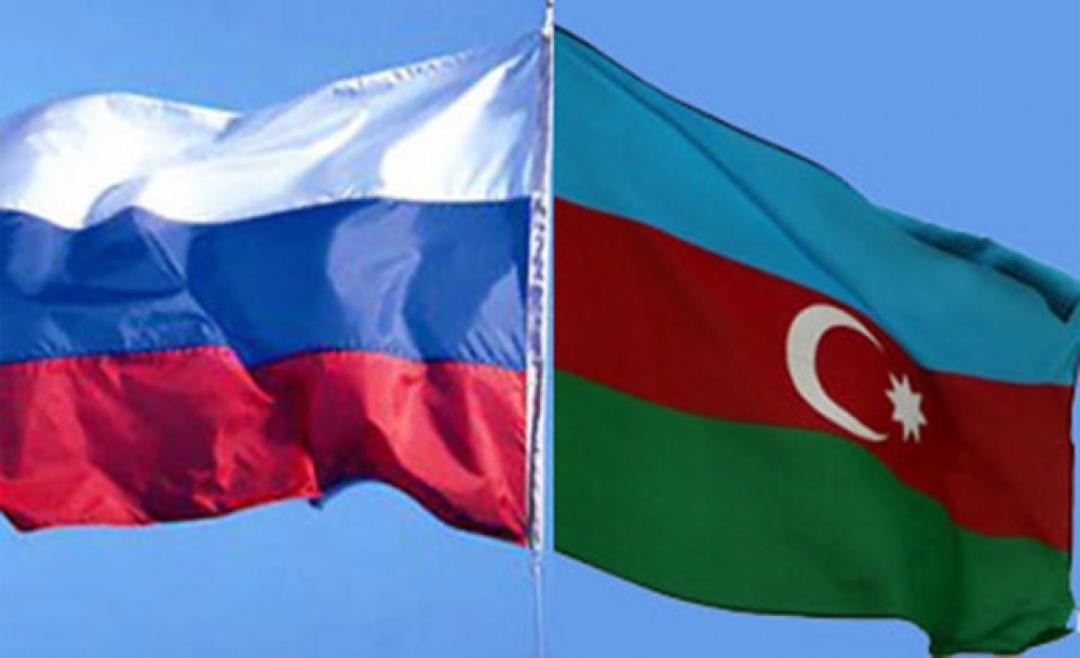
Between July 4-6, escalating tensions between Russia and Azerbaijan led to the cancellation of cultural events, a decline in tourism, scrutiny of Azerbaijani diaspora activities in Russia, a deportation, attacks on SOCAR gas stations in Ukraine, and calls for de-escalation by Turkey. The developments occurred amid EU condemnation of Russian repression against ethnic Azerbaijanis and disputed reports of a Russian military buildup in Armenia.
Developments from Russia
On July 4, Elena Drapeko, First Deputy Chair of the State Duma Committee on Culture, stated that authorities in Kaliningrad canceled a concert by Azerbaijani singer Emin Agalarov due to concerns over a possible negative public reaction. Drapeko described the decision as retaliatory, explaining, "On the one hand, we have a statement from the Foreign Ministry that we will not cancel Azerbaijani culture, but the cancellation of all Russian cultural events in Azerbaijan is causing irritation. It is possible that the regional authorities are afraid of a negative reaction from the audience."
She added that it would be necessary to wait until tensions eased. "We had very close ties with Azerbaijan, including tours, and now the political situation has soured—this has also affected culture. We just need to wait out this period, and we will return to cooperation."
Meanwhile, Yuri Barzykin, Vice President of the Russian Union of Travel Industry (RST), reported that political tensions have led to a sharp decline in Russian tourism to Azerbaijan, with bookings falling by 40%. Barzykin noted, "This 40% decline means that there are practically no new bookings at travel agencies. As of today, new applications to Baku have virtually disappeared. People are waiting for the situation to become clearer." However, he clarified that tourists currently in Azerbaijan were not panicking and that about 60% of the tourist flow remained stable, without mass cancellations of existing bookings.
On July 4, Sergei Mironov, leader of the "A Just Russia—For Truth" party, appealed to Prosecutor General Igor Krasnov, demanding a comprehensive inspection of Azerbaijani diaspora organizations across all regions of the Russian Federation. In his appeal, Mironov specifically emphasized the need to examine the operations of the "Sadovod" and "Food City" shopping centers to ensure their compliance with Russian legislation.
Developments from Azerbaijan
On July 4, Elshan Ibrahimov, head of the Azerbaijani diaspora in the Moscow region, was stripped of his Russian citizenship and detained for violating residency regulations. According to Russian media, Ibrahimov will soon be deported.
Meanwhile, in Ukraine’s Zhytomyr region, explosions caused serious damage to two gas stations operated by the Azerbaijani company SOCAR Energy Ukraine. The stations, situated on the Kyiv-Zhytomyr highway, sustained extensive damage. According to local residents, the explosions struck without warning. It is suspected that Russian sabotage groups carried out the attacks.
Natalia Chernyakova, the manager of one of the damaged SOCAR stations, recounted the incident: "It was a normal working day. Then we all heard a very loud explosion. Nothing could be seen through the smoke. Later we saw that everything was damaged. People were very frightened." She noted that the blast, which occurred around 6:00 PM, destroyed the station’s facade and caused significant damage to its equipment. SOCAR Energy Ukraine confirmed that damage assessments were underway.
Erdoğan's De-escalation Calls
On the same day, Turkish President Recep Tayyip Erdoğan addressed the tension between Azerbaijan and Russia while speaking to journalists on his return flight from Azerbaijan. "Both friendly countries have the level of understanding to deal with the problem," Erdoğan stated. He emphasized that Azerbaijani President Ilham Aliyev was acting with careful restraint and refraining from escalating the situation. The Turkish president added that Ankara was closely monitoring developments and called on both sides to exercise restraint. "We believe that the issue will be resolved more easily and fundamentally with statements that will reduce diplomatic tensions," Erdoğan stated.
Gyumri Base Reports from Ukraine
Andriy Yusov, a representative of the Main Intelligence Directorate (GUR) of the Ukrainian Ministry of Defense, claimed that Moscow was reinforcing its military presence in Armenia amid deteriorating relations with Baku. According to Yusov, the Russian military base in Gyumri was receiving additional personnel from Russia. He stated, "Moscow has accelerated the replenishment of its base in Gyumri in order to increase pressure on the countries of the South Caucasus."
In response, the Armenian Foreign Ministry denied the GUR’s assertions, dismissing the report as "fake news." The ministry reaffirmed, "The Republic of Armenia confirms its principled position: the territory of Armenia cannot be used by third countries to conduct military operations against any of its neighboring states."
Reaction from the EU
Commenting on the broader context, EU official representative Anitta Hipper stated that repressive measures by Russian authorities are visible across both foreign and domestic policy, particularly toward ethnic minorities. Hipper said these policies result in "violence, torture and inhuman treatment, which leads to people's deaths." Addressing recent violent incidents in Yekaterinburg, she underlined that the EU had previously voiced concerns over violence and torture committed by Russian security forces against ethnic Azerbaijanis.