
Iran-Israel Conflict Drives Iranian Migration Through Armenia’s Border
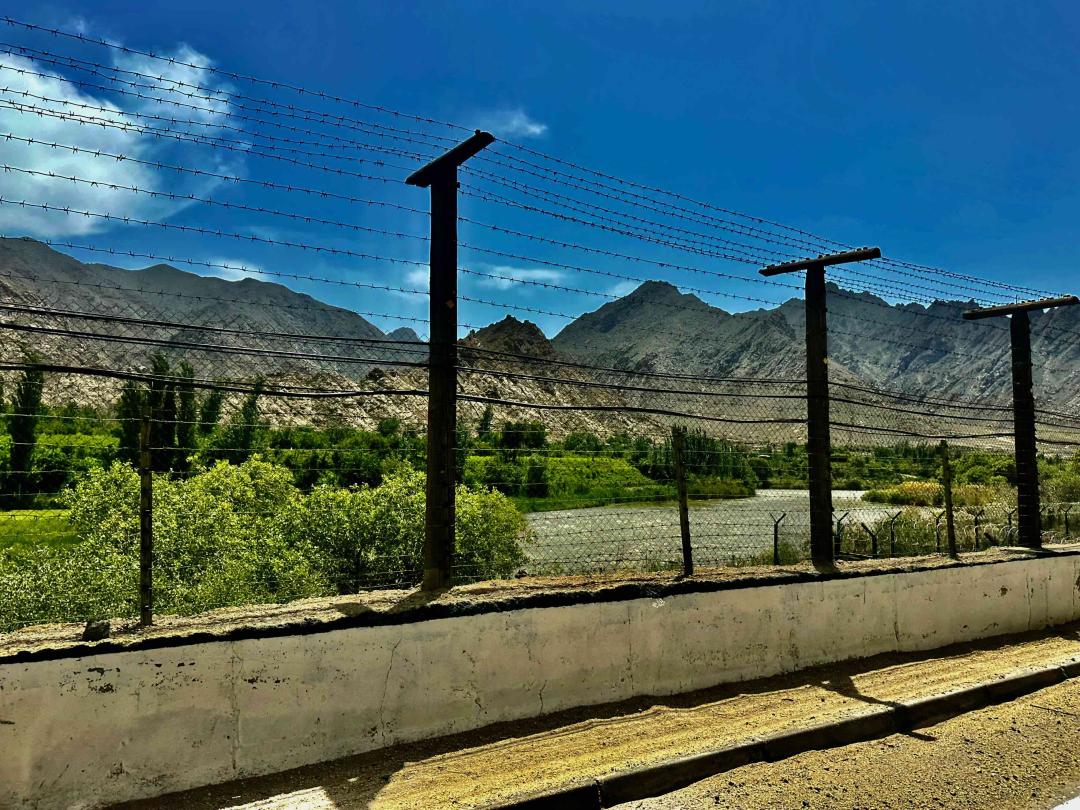
Photo credit: Marut Vanyan/Caucasus Watch
Amid the escalating Iran-Israel conflict, Iranians and Iranian Armenians have been arriving at Armenia’s Agarak checkpoint, near the city of Meghri on the Iranian border, seeking transit to Yerevan or beyond. Carrying suitcases and visibly anxious, many express their opposition to the war, emphasizing that it is a political issue rather than the will of ordinary people. “We are scared and don’t want this war,” one traveler said, reflecting a sentiment of displacement. Others, however, are returning to Iran to stand with their compatriots during this crisis.
Meghri’s mayor, Khachatur Andreasyan, acknowledges an influx of Iranian citizens but describes the situation as manageable. Similarly, Iran’s Consul General in Armenia, Morteza Abedin Varami, downplays concerns, stating, “Life in cities like Tabriz and Tehran continues normally.” He attributes the increased movement to a lack of flights, positioning Armenia as a transit hub rather than a destination. Varami also notes that cargo transportation across the border remains unaffected.
Local authorities, including Syunik Governor Robert Ghukasyan and Mayor Andreasyan, confirm that assistance—such as transportation and temporary accommodation—is being provided to those in need. According to the consul, few Iranians require aid, as most are heading to Yerevan to catch international flights or settle temporarily. Approximately 300 vehicles cross the Armenian-Iranian border daily, reflecting steady but not overwhelming traffic.
Despite the support, some arrivals have faced challenges. Complaints have surfaced about inflated taxi fares, with some drivers charging up to $300 for the journey to Yerevan, as well as high housing costs in Meghri and Agarak. Armenian media reports that the border remains calm for now, but the situation could shift rapidly if the conflict escalates, particularly if external actors, such as U.S. leadership, urge mass evacuations from Tehran.
The broader regional implications of the conflict weigh heavily on Armenia. Discussions within the country highlight fears that Azerbaijan could exploit the turmoil to pursue territorial ambitions, such as annexing the Syunik region, often referred to as the Zangezur corridor. While these concerns remain speculative, they underscore Armenia’s precarious position.
On the humanitarian front, Armenia has pledged support for arriving Iranians, though questions linger about its capacity to assist. The ongoing plight of Nagorno-Karabakh refugees, whose challenges have intensified amid this crisis, highlights the strain on resources. “How can Armenia help Iranians when it struggles to support its own displaced people?” one local observer asked.
No precise data exists on the number of Iranians entering Armenia, but Governor Ghukasyan told Armenpress that the influx is not significant. Buses have been arranged to transport arrivals to Yerevan, where most continue their journeys abroad. For now, Syunik remains a temporary stop rather than a destination.
As the world watches the Iran-Israel conflict unfold, Armenia finds itself at a crossroads, balancing its role as a transit point with its own domestic challenges. The situation at the border remains fluid, with potential for rapid change as regional tensions evolve.